Savanna plant ecology and evolution
-
Silica
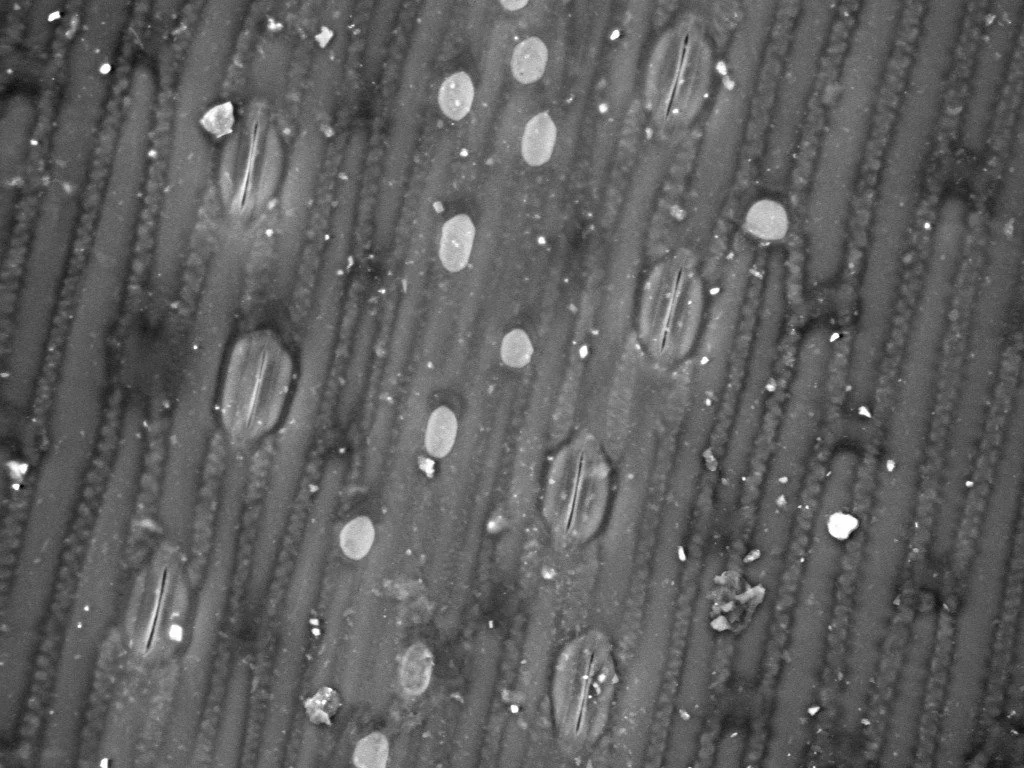
Why do some plants build tiny silica structures in their leaves? For decades the reason was thought to be as an anti-herbivore defense mechanism. However, evolutionary patterns of silica deposition in plants and the response of plants to stress across global gradients are challenging that long-standing belief. Our work is shaping our understanding of how plants use silica and adding support to the idea that silica in plants is an exaptation for herbivore defense.
-
Salt
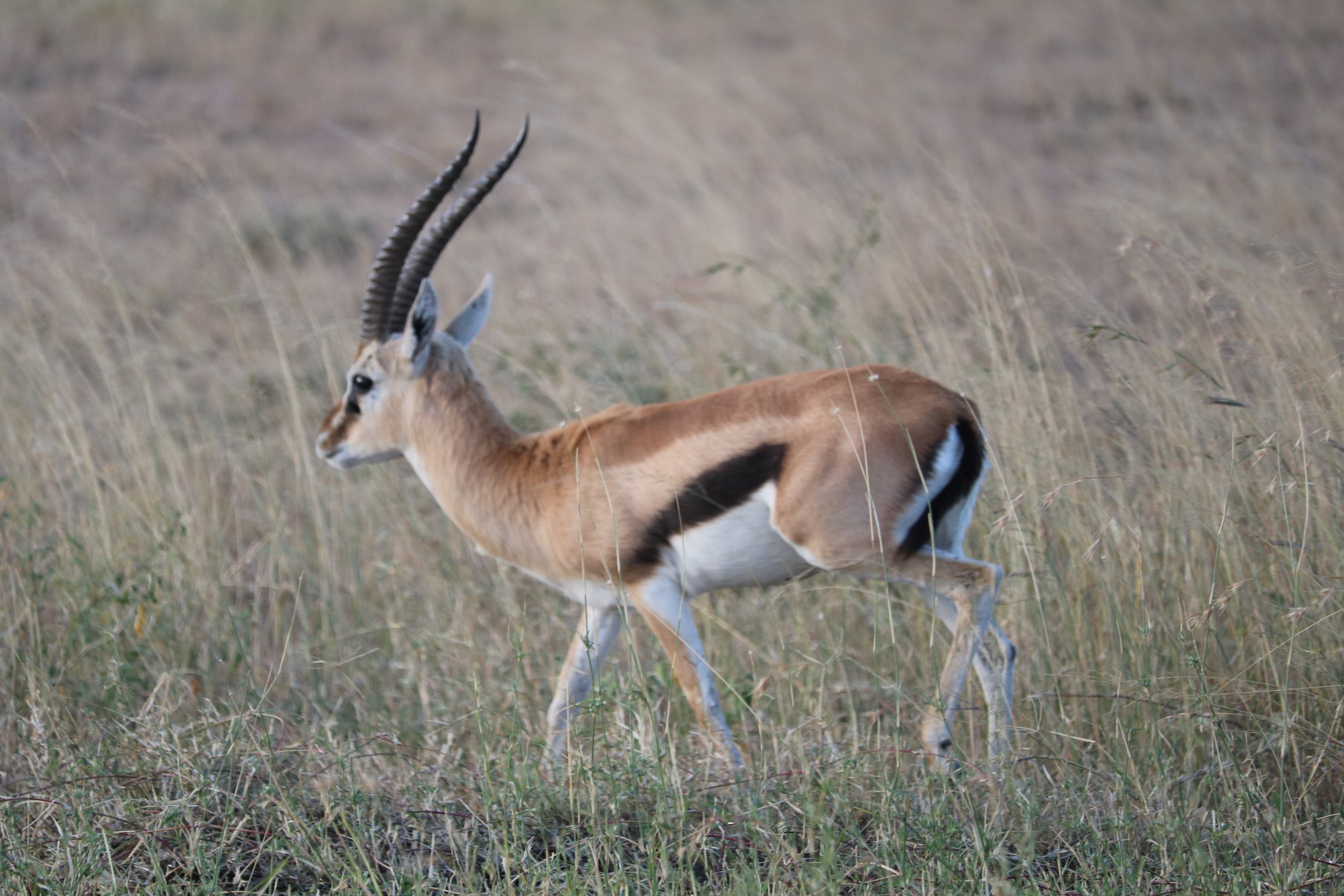
My PhD advisor, Sam McNaughton, used to say that ‘salt was the greatest trick plants ever played on animals’. Animals require sodium but plants largely do not (and in fact sodium can be highly stressful if not toxic). How do plants deal with sodium and the fact that animals feed on plants in sodic environments to meet their nutrient requirements?
-
Physiology and architecture
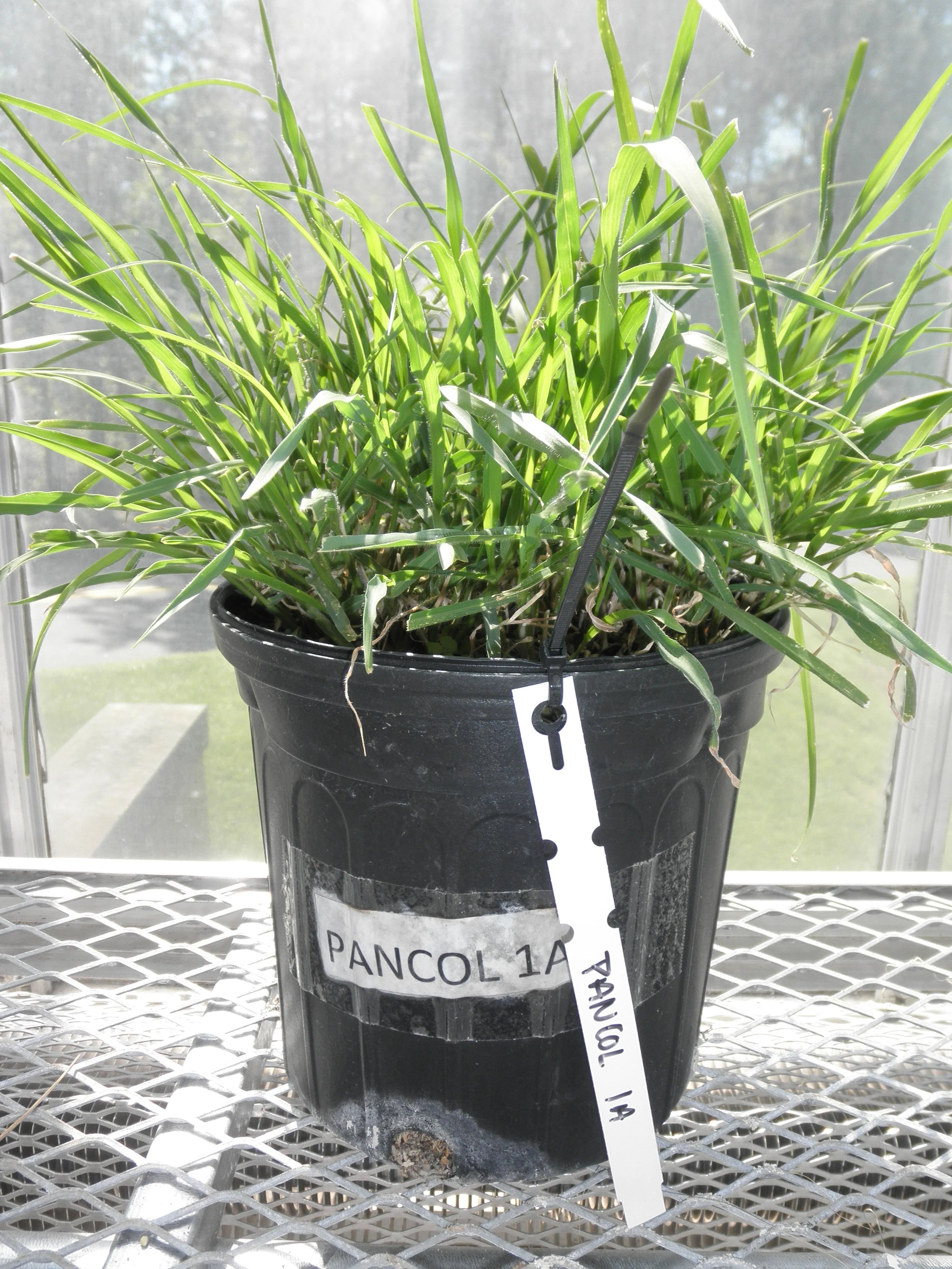
Savanna plants have evolved myriad solutions to thrive in the harsh savanna environment and dealing with fire, drought, herbivores and poor soils. We explore the traits and responses of savanna plants to variation in their environments.