Savanna Herbivore Ecology
-
Migration and grazing succession
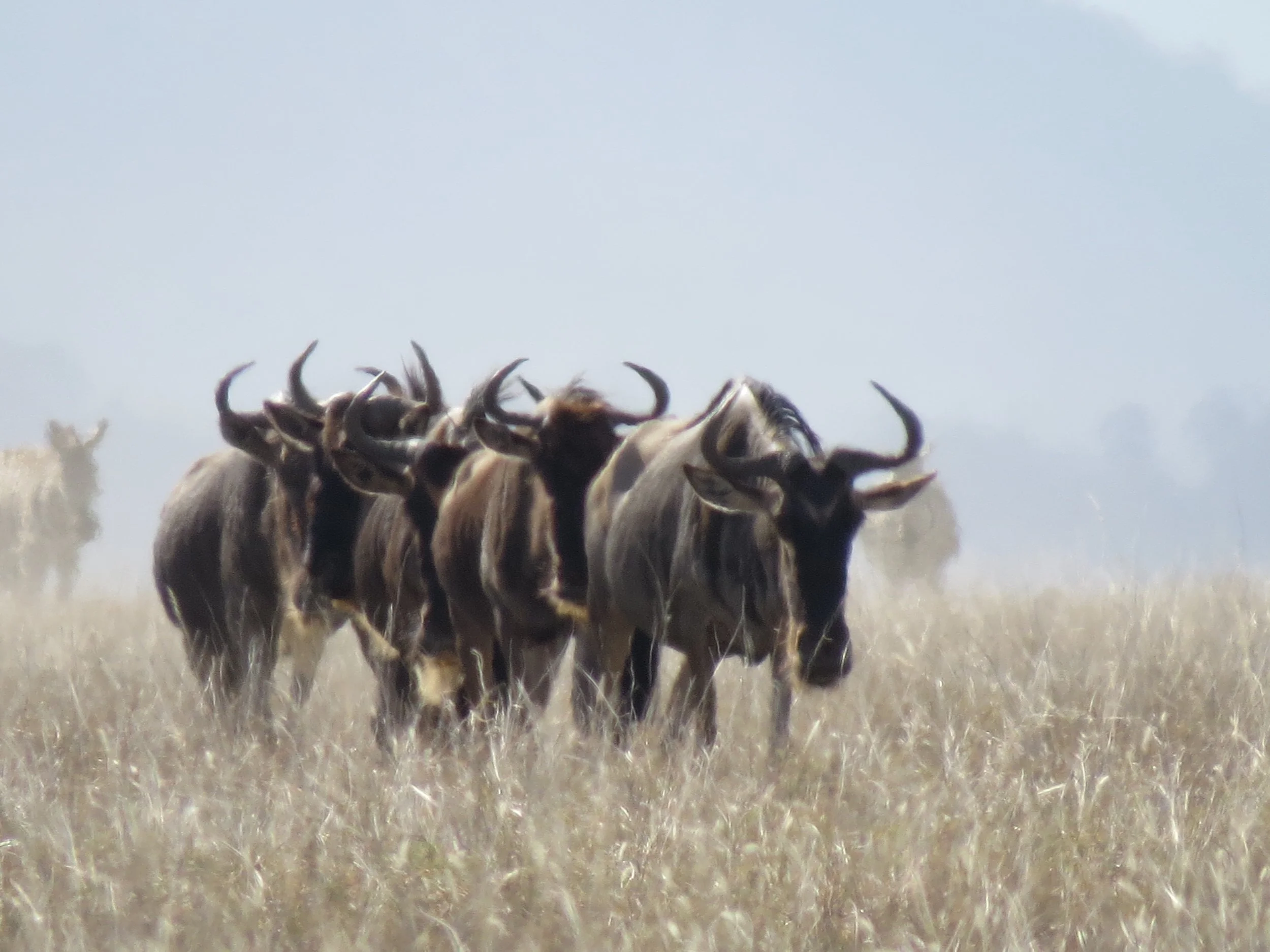
How do herbivores interact while migrating? Our project suggests that facilitation and competition work simultaneous in multi-species migrations to create a “push-pull” mechanism whereby migratory wildebeest push zebra ahead through a competitive process while they pull smaller Thomson’s gazelles behind through grazing facilitation.
-
Herbivore occupancy and habitat selection
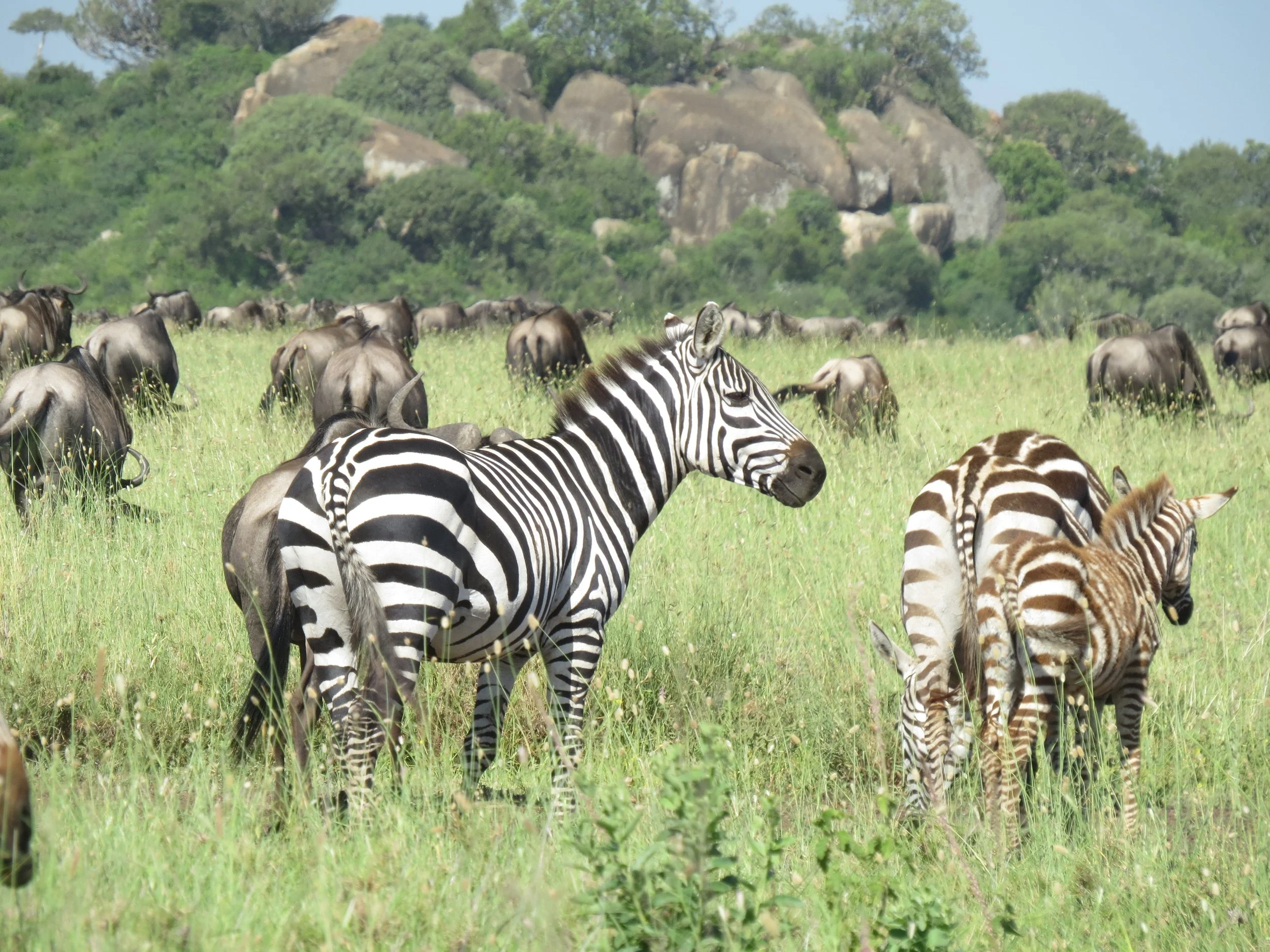
How do herbivores use heterogeneous landscapes? How do they partition space, time, and resources to promote coexistence in multi-species assemblages? We use models and data to explore these ideas.
-
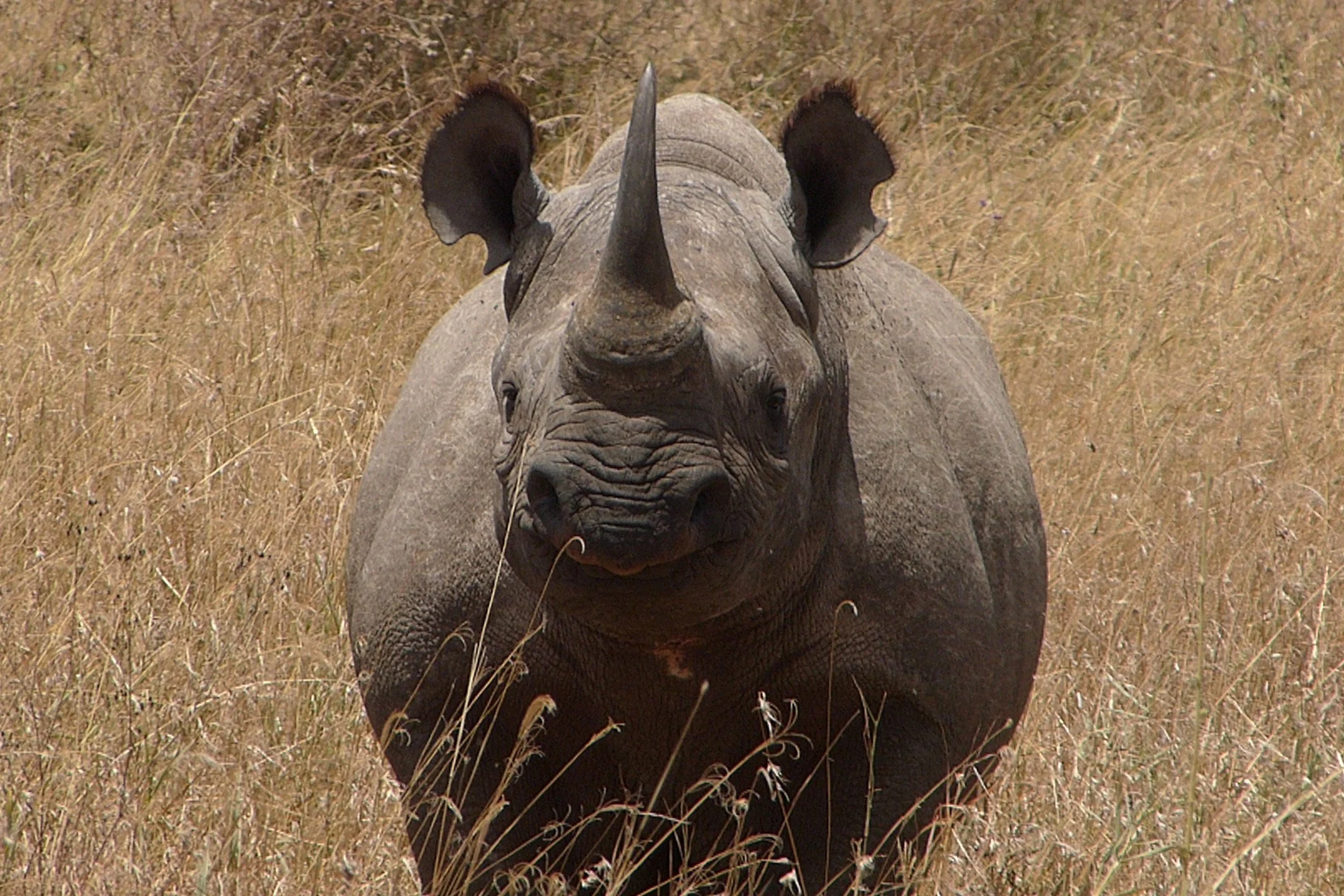
The effects of fire on habitat and forage selection by black rhino
Fires have counteracting effects on herbivore forage: fires reduce biomass but stimulate high energy forage in regrowing leaf tissues. Fires are beneficial for many smaller species but frequent fire may eliminate important forage for large bulk feeders like black rhino
-
Forage quality
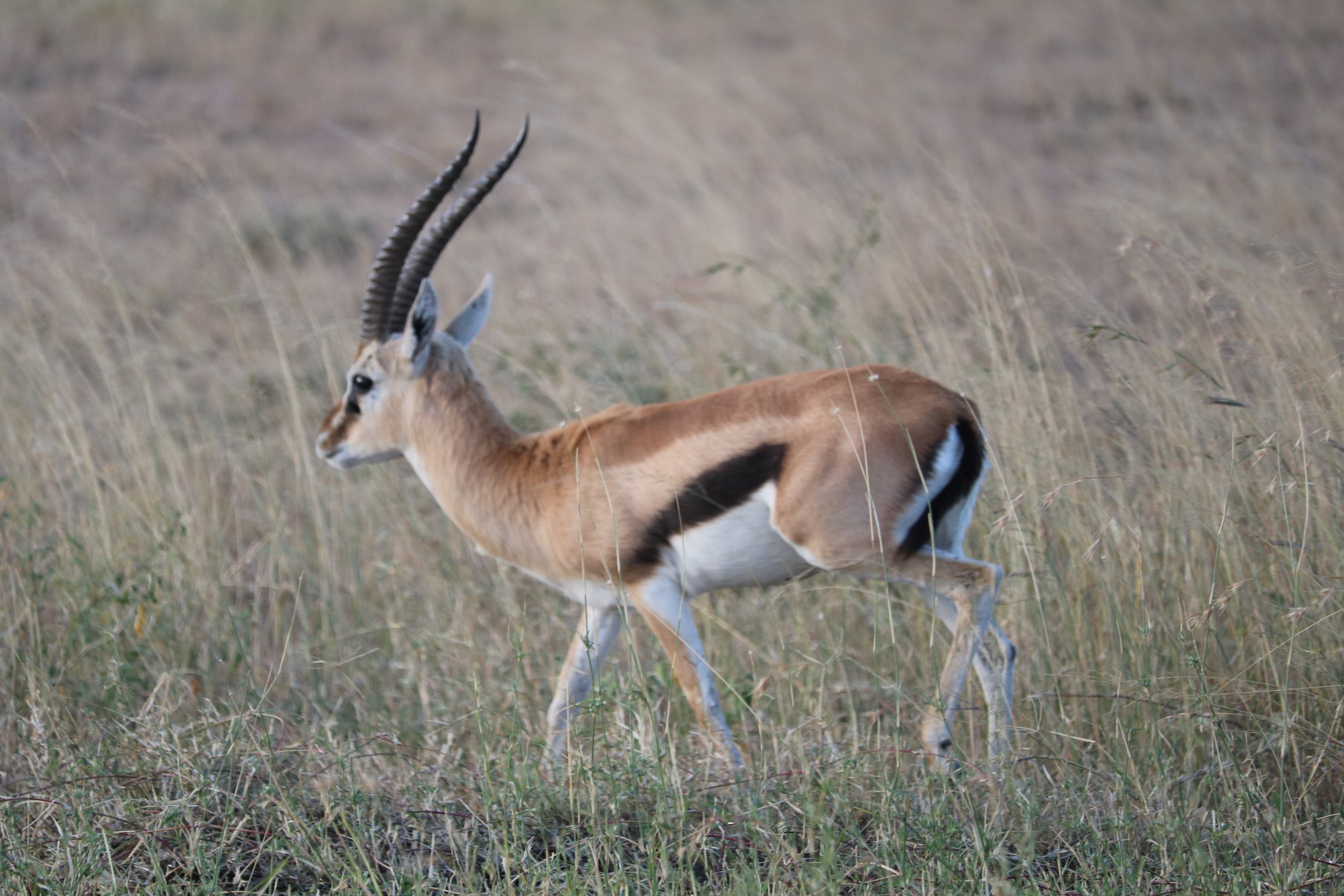
Herbivores must weigh the benefits of obtaining high energy forage against the costs of movement and risks. What information do herbivores use to make these foraging decisions? Can we make simple models that predict how foragers will behave and how savanna features such as fire and herbivore body size influence foraging?